
About the project
Advances in cancer treatment mean that growing numbers of patients now survive the disease. However, while many treatments are effective at killing cancer cells, they also harm healthy cells and tissues, triggering a range of serious side effects.
Growing numbers of patients now benefit from an approach called interventional oncology (IO), in which miniaturised instruments (including biopsy needles, probes or catheters) are inserted into the patient’s body via minimally invasive access routes.
The miniaturised instruments are guided to the tumour with the help of imaging techniques such as x-rays, ultrasound, computed tomography (CT) or magnetic resonance imaging (MRI). Once there, the treatment can be applied directly and precisely to the tumour.
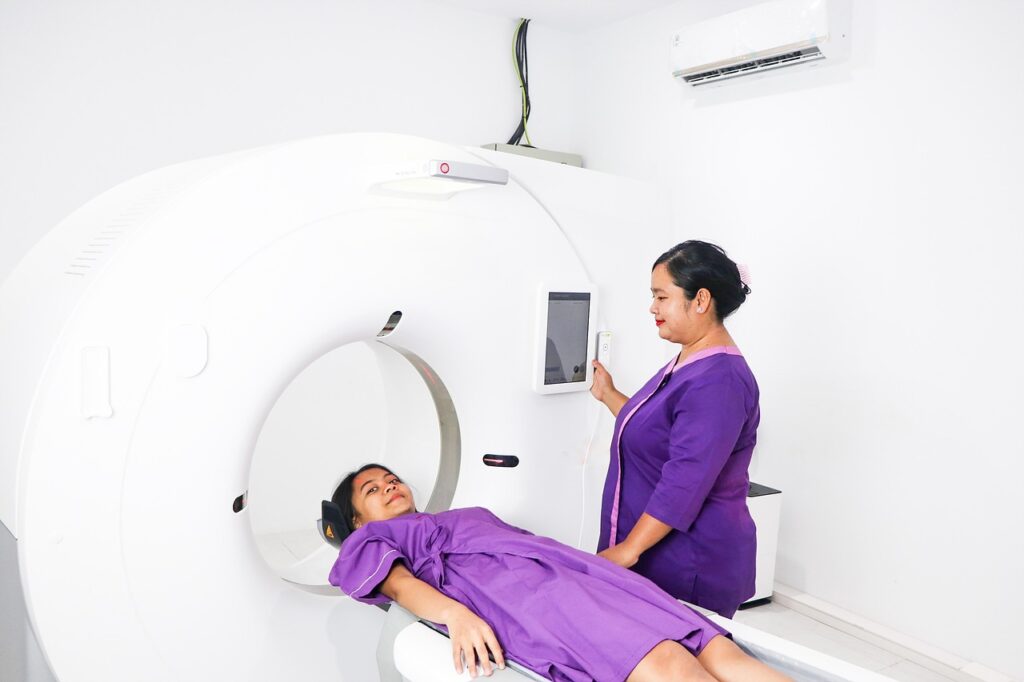
The aim of PreciseOnco is to boost the interventional oncology field by integrating cutting-edge spectral imaging, motion correction technologies and robotic assistance to enhance the precision and safety of IO procedures.
Spectral imaging is better at distinguishing between different types of tissue and treatment materials than other types of imaging. In practice, this means that doctors can see tumours, healthy tissue, and blood vessels as well as their own instruments more clearly, allowing them to work more precisely.
Motion correction technologies that take account of patient movements associated with breathing, for example, plus robotic-assisted navigation systems, will also help clinicians apply treatments to tumours with even greater precision.
Many of these technologies will be enhanced by artificial intelligence (AI) algorithms that will boost image quality, support the optimisation of radiation doses, and ensure clinicians get real-time feedback on treatment success. Getting real-time feedback during the procedure enables confirmation of treatment effectiveness, allows immediate adaptation of the intervention when needed, and reduces the likelihood of incomplete treatment and repeat procedures.
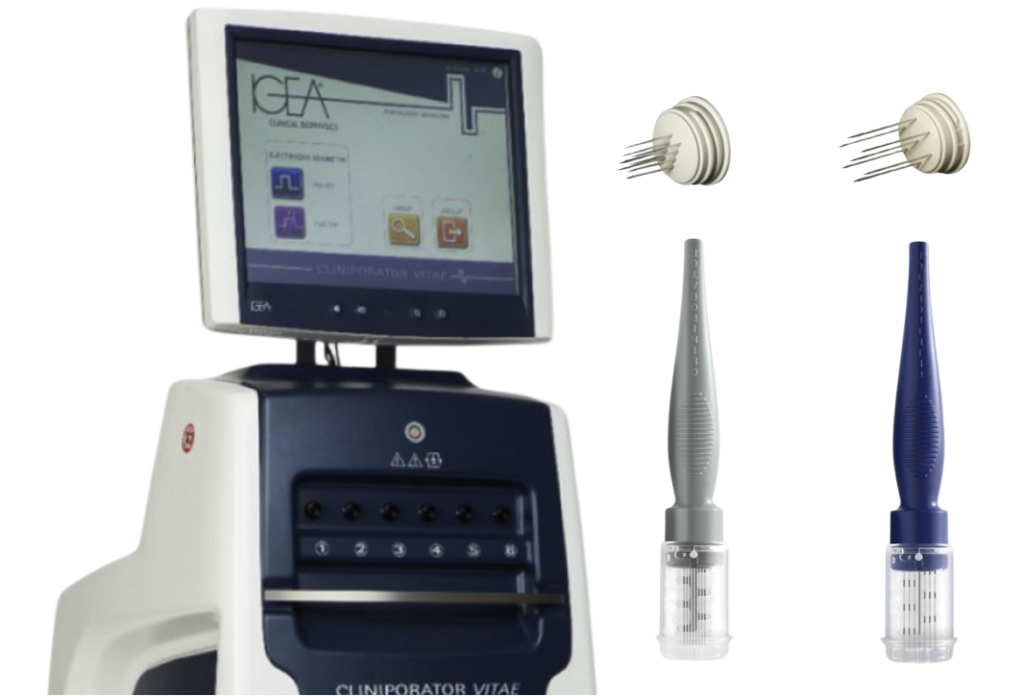
The project also aims to advance a technique called electrochemotherapy, in which electric pulses are applied to cancer cells along with chemotherapy drugs. The pulses temporarily open up the cancer cells’ membranes, boosting uptake of the chemotherapy, while spectral imaging and image-guided navigation enable more precise electrode placement, real-time assessment of treatment coverage, and improved control of therapeutic outcomes.